
Sports Ground Infrastructure: What Councils & Clubs Need to Get Right
A field fails from underneath, not at the surface. Here is what to get right beneath the turf, and why it decides how long a ground lasts.
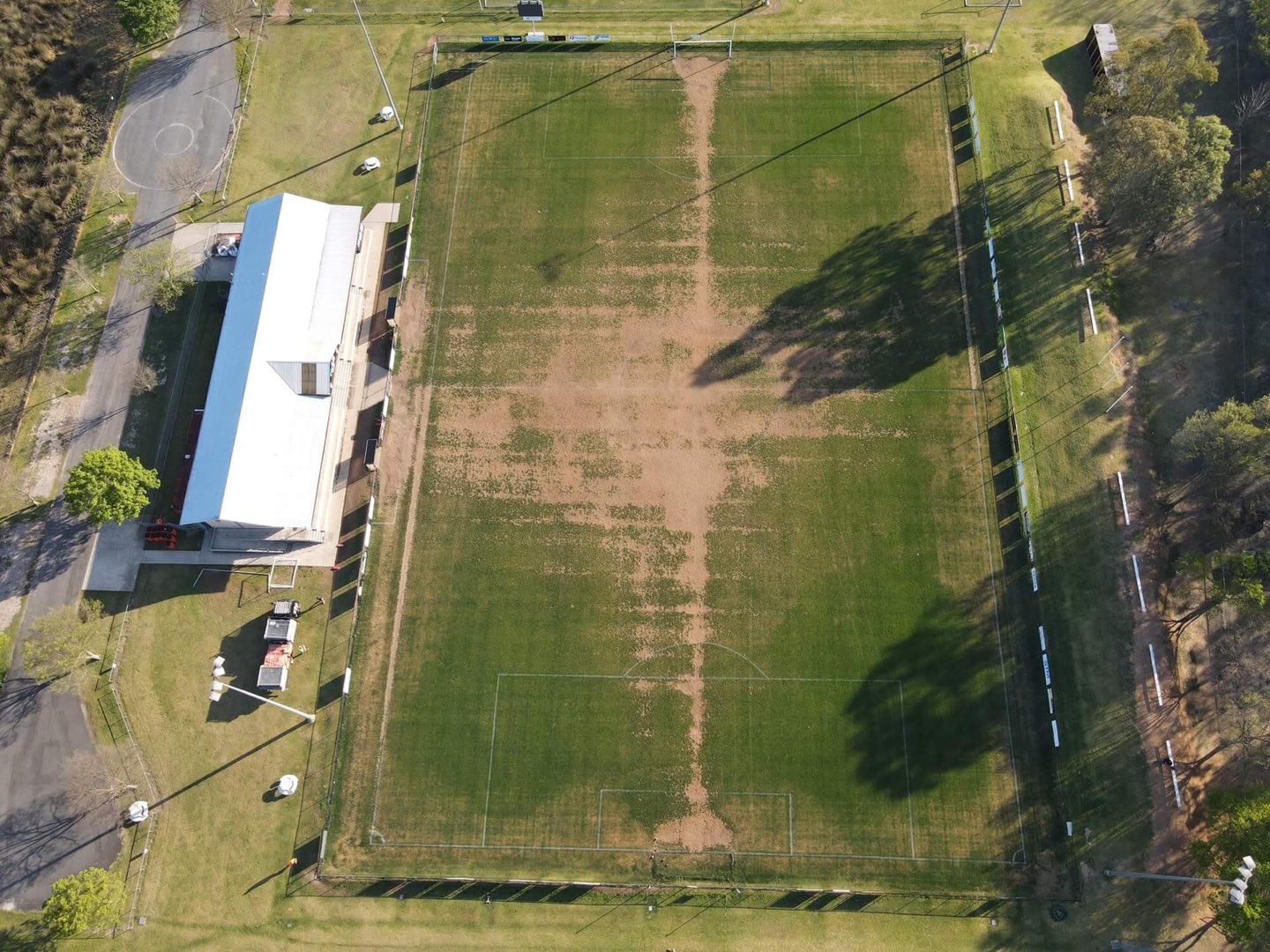
When a sports ground fails, it rarely fails at the surface. The turf is only the visible top layer of a system that runs well below it: the drainage, the engineered sand profile, the irrigation, and the stormwater path off the site. Get that system right and a field carries a full winter fixture list without turning to mud. Get it wrong and no amount of top-dressing, oversowing or maintenance will save it.
For the councils, clubs and schools who own these assets, that is the hard part. A sports ground is a piece of civil infrastructure, not a lawn. This guide walks through what sits beneath a high-performing surface, where projects come unstuck, and what to look for in a builder who can deliver the whole picture rather than lay turf over someone else's problem.
A sports ground is infrastructure, not landscaping
The distinction matters because it changes how a project is scoped, tendered and built. Landscaping is concerned with the surface. Infrastructure is concerned with what that surface has to do: shed a downpour, survive a dry summer, take heavy use across multiple codes, and stay safe and level years later.
Every reliable field is really a stack of engineered layers working together:
- Subgrade and earthworks, shaped to the falls that let water move.
- A subsurface drainage network that collects water and carries it off.
- An engineered sand profile, or rootzone, built to drain and still hold life.
- Irrigation designed to put water back evenly across the whole surface.
- The turf, or a synthetic carpet, as the last layer laid.
- A legal stormwater path that gets water off the site, not just off the field.
Change one layer and you affect the others. A drainage system is only as good as the falls set during earthworks. An irrigation schedule only works if the sand profile beneath it drains the way it was designed to. This interdependence is exactly why the discipline of sports field construction exists, and why treating the surface in isolation is one of the most common and most expensive mistakes a ground owner can make.
Drainage: the single most important decision you will make
If one system determines whether a ground succeeds, it is drainage. Poor drainage is behind most field closures, cancelled fixtures and premature reconstructions. Water that cannot get away sits in the profile, softens the surface, kills turf and creates injury risk. Across a season, closures from a waterlogged field can cost a club far more in lost usage than the drainage would have cost to build properly in the first place.
A well-built ground manages water at several levels.
Primary subsurface drainage
A network of perforated pipe and drainage aggregate collects water from within the profile and carries it away. On a full reconstruction it is designed to keep the surface playable in conditions that would close an unmodified ground.
Sand slit and secondary drainage
For grounds that take heavy use, sand slit drainage connects the surface to the primary drains, giving water a fast vertical path down instead of pooling on top. It is one of the most effective ways to lift the carrying capacity of an existing field.
A legal discharge path
Water has to leave the site, not just the field. The design needs an engineered, legal discharge path, and that becomes critical on sites prone to flooding, where it has to account for how the ground behaves in a wet event.
Planning for water properly at the design stage is what separates a ground that recovers quickly from one that stays closed for weeks. Drainage design is not a line item to be trimmed when a budget tightens. It is the decision the rest of the ground depends on.
Irrigation and the growing medium: engineered for the climate
Drainage moves water off. Irrigation puts the right amount back, and in a Sydney summer the margin between healthy turf and a scorched, thinning surface is narrow. A designed, high-efficiency irrigation system does more than keep grass green. It delivers water uniformly, avoids the wet and dry patches that create inconsistent bounce and footing, and does it without wasting a scarce resource.
Irrigation only performs if the profile beneath it is built to match. The growing medium is engineered, not incidental. A USGA-style sand profile, a graded 80/20 sand-soil blend or an ameliorated site-won soil each behaves differently in how it holds and releases water. The irrigation design, the drainage design and the sand profile are really a single hydraulic decision made together, which is why the same team should own all three.
Subsurface and earthworks: getting the falls right the first time
Everything visible on a finished ground is set by work that disappears from view. Earthworks, reshaping and laser grading establish the falls and levels that let water drain and give players a true, consistent surface. Get the falls wrong at this stage and you build a drainage problem into the field permanently, one that no surface treatment can fix.
Precision here is the difference between a field that looks flat and one that genuinely is. Laser grading to a consistent, level playing surface is a recurring step across serious reconstructions for a reason: it is the foundation the drainage, profile and turf all inherit. It is also where using site-won material well can pay off, by testing the existing material, adding ameliorants and re-installing it rather than carting it away and buying it back.
Standards, compliance and capacity planning
A sports ground has to satisfy more than the people who play on it. It has to meet the requirements of the codes it hosts, the safety obligations of the asset owner, and the realistic demand that will be placed on it.
Building to the right standard
Different sports carry different surface requirements. A field built for senior competition is engineered for the specific demands of that code, from surface performance to drainage capacity and levels that meet the governing body. Confirming the standard the ground has to hit before construction starts protects the asset owner and keeps the ground fit for the competition it is meant to host.
Capacity planning for multi-use grounds
Most council and club grounds are not single-code, single-season assets. One rectangle might carry football through winter, cricket or athletics through summer, training on weeknights and junior competition on weekends. Matching the build specification to the real hours of use is what keeps a multi-use ground from being worn out before its design life.
Delivering on a live site
Council reserves and club grounds rarely close for construction. Real projects have to be staged around continued operation, community access and safety. Planning for that reality, and sequencing the works so the facility keeps functioning while the ground is rebuilt, is part of the infrastructure job, not an afterthought.
What Elite Turf Projects brings to the ground beneath
Elite Turf Projects builds and renovates sports fields, synthetic turf surfaces and landscapes across Sydney, with council, club and school projects on our books, including reconstructions at grounds such as St Marys Leagues Club, Cow Pasture Reserve and Ron Dine Reserve. Because Elite Turf Projects sits alongside Elite Sand & Soil and Elite Haulage, the sand profile, the drainage aggregate and the haulage that carry a field come from one group and one point of accountability.
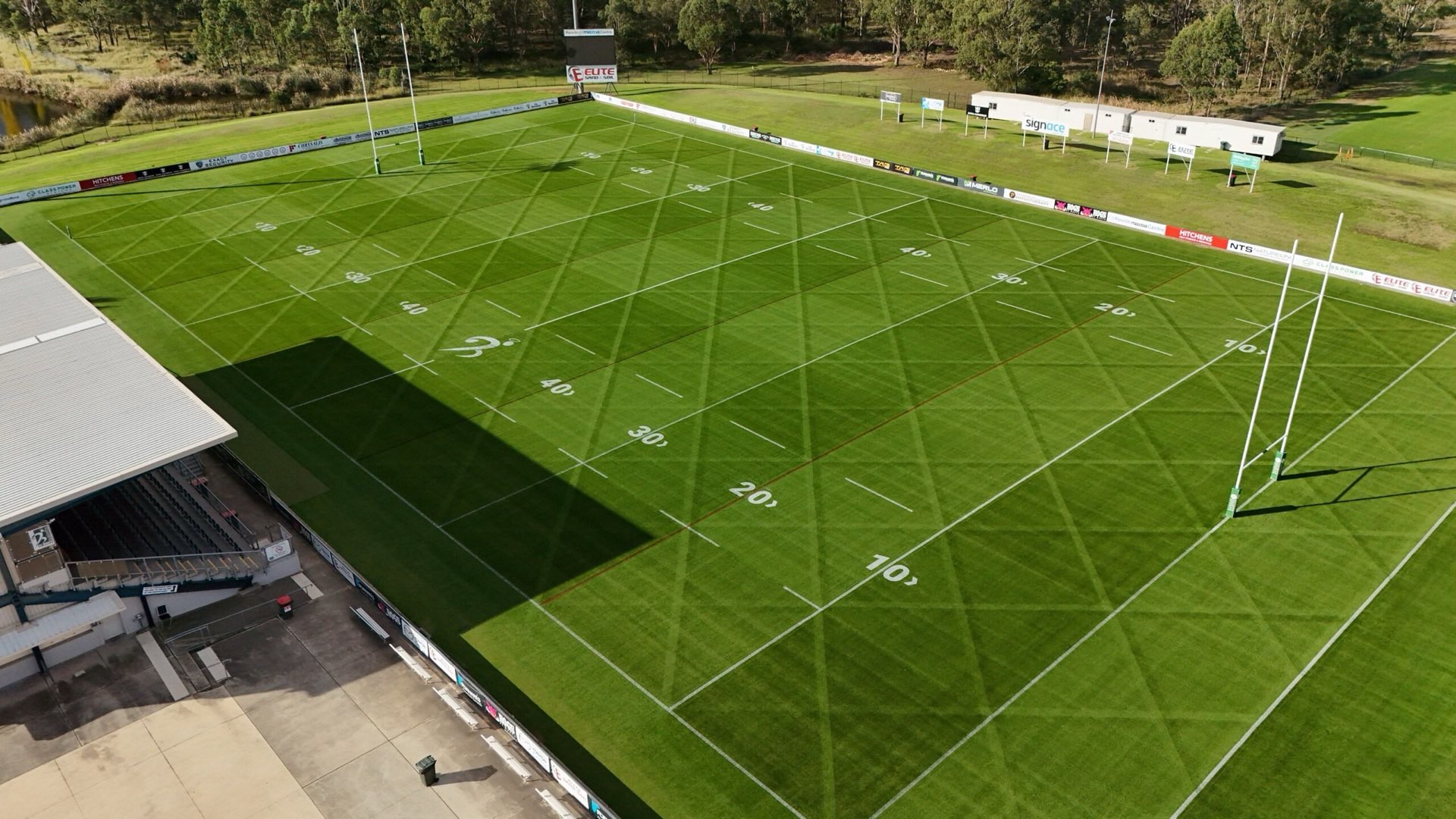
Club ground
St Marys Leagues Club
A ground rebuilt from the drainage and profile up, not re-turfed over an existing problem.
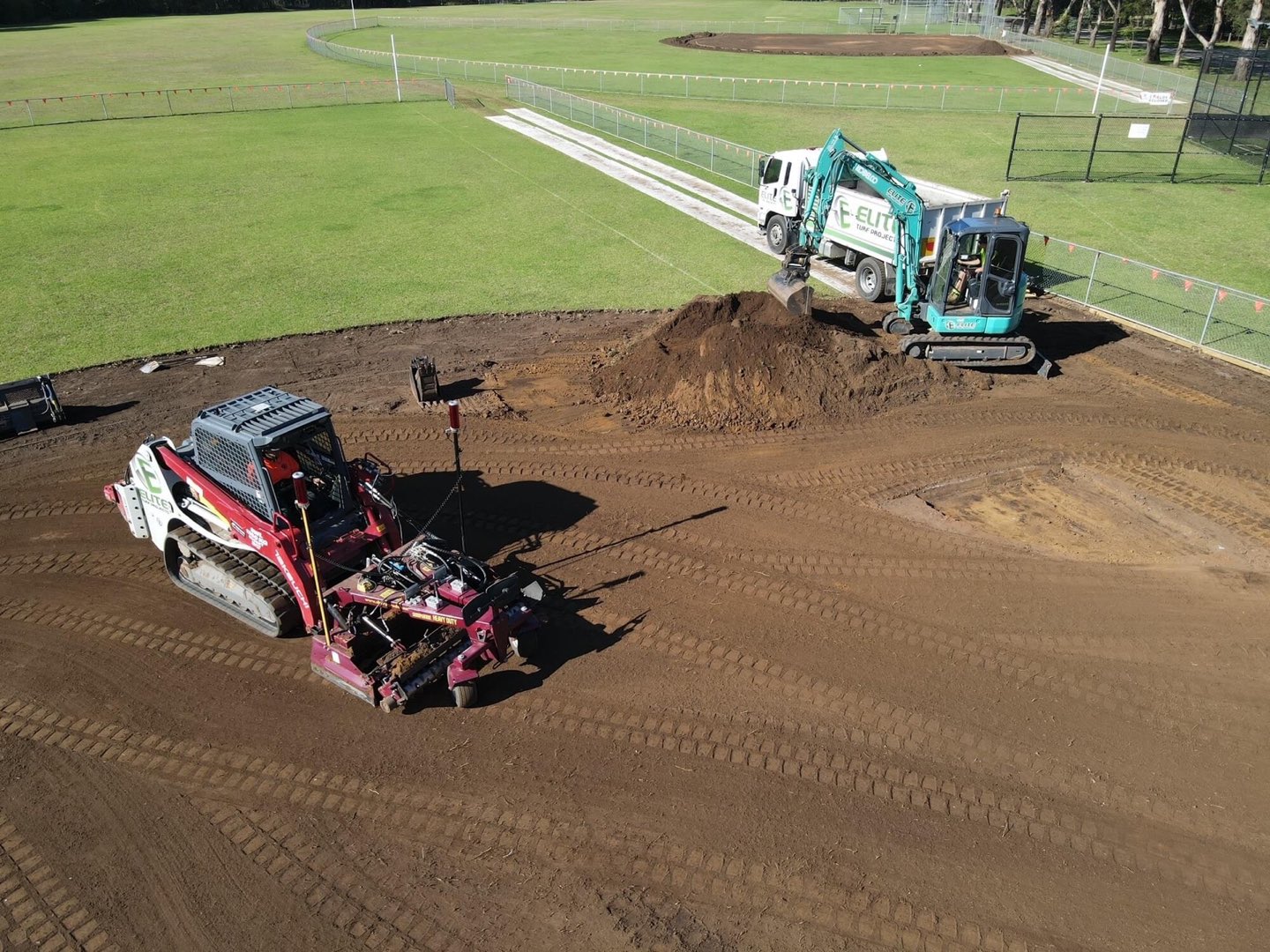
Council reserve
Cow Pasture Reserve
A reserve reconstructed to carry a full fixture list and recover quickly after rain.
Synthetic surface
Engineered synthetic base
A free-draining base built to tight tolerances before the carpet is laid, seamed and anchored.
Why full-scope delivery matters
The through-line in all of this is integration. Drainage, irrigation, the sand profile, earthworks and turf are not separate trades to be tendered in isolation and bolted together on site. They are one interdependent system, and a ground succeeds or fails on how well those layers were designed and built to work together.
One team, subgrade to surface
Engaging a builder who can carry a ground from subgrade to surface, rather than laying turf over someone else's earthworks, closes the gaps where projects fail.
Fewer gaps between contractors
For councils and clubs it means one team accountable for how the whole ground performs, not a chain of trades pointing at each other.
Built to its design life
An asset built to last its design life, instead of heading back to reconstruction early because one layer was treated as an afterthought.
If you are planning a new field, a reconstruction or a renovation, it is worth talking through the profile and drainage before the surface. Take a look at our services and recent sports field projects, or get in touch to scope what your ground needs from the ground up.
Scope your ground from the ground up.
New field, tired reserve or a full reconstruction, tell us about the site and the Elite Turf team will talk through the drainage and profile before the surface, then come back with a plan and a firm price.